
A transparent and independent process
Departmental Resettlement Commissions (CDR), chaired by the prefect, ensure the transparency of the process. They rely on Resettlement Action Plans (PAR), developed by independent firms after consulting the affected populations. These plans are regularly updated to adapt to changing situations.
In the Thiès region, the Departmental Resettlement Commission of Tivaouane and Kébémer oversees this monitoring, and an equivalent structure was established in Kébémer in 2023.
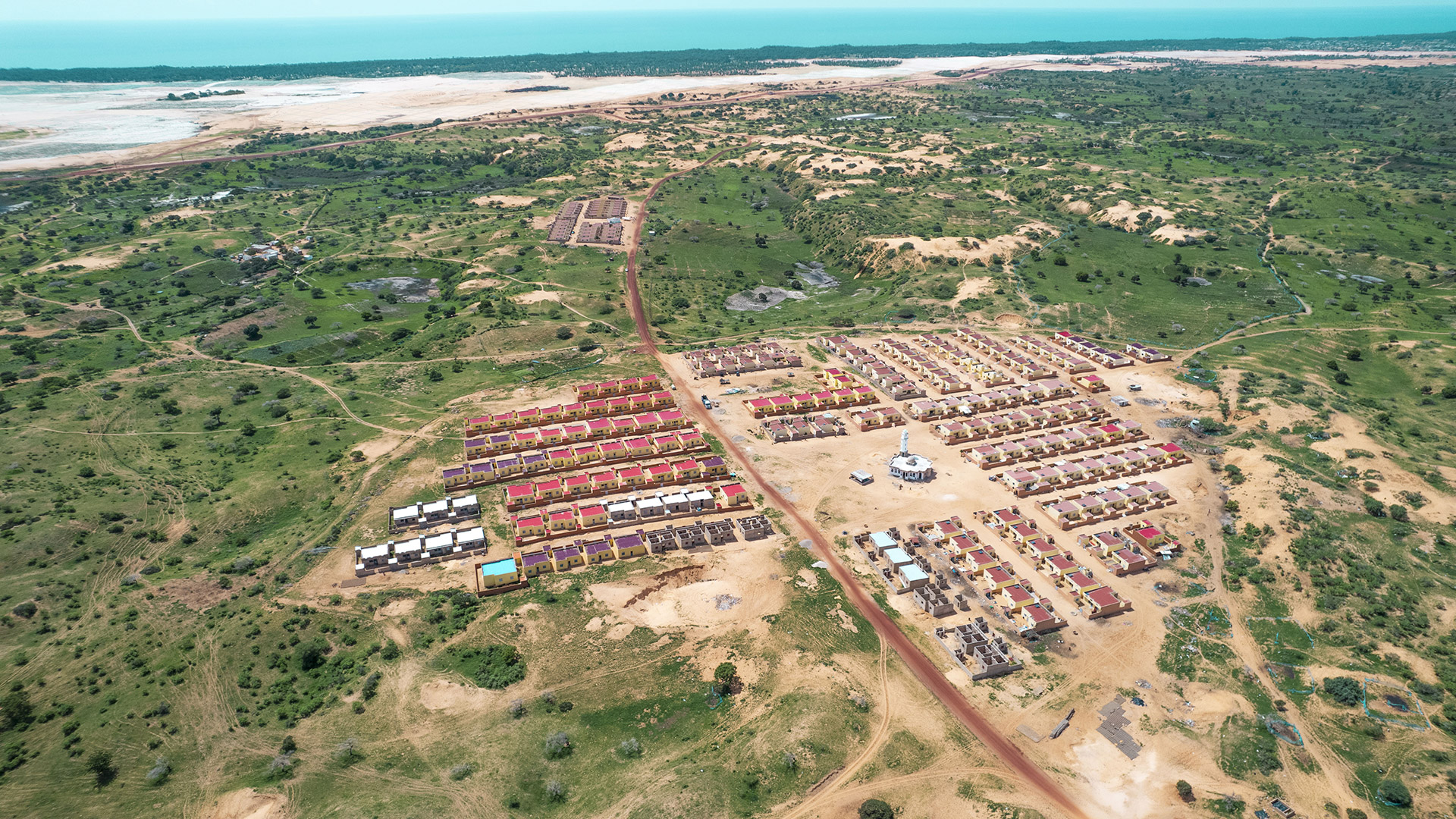
Displaced persons and activities benefit from compensation decided by the Departmental Resettlement Commission:
- Displaced persons are provided by Eramet Grande Côte with a house in a new village powered by solar energy and running water, along with a plot of land measuring 0.5 hectares per household, equipped with a borehole and a solar pumping kit.
- Persons cultivating or occupying dunes on state-owned land impacted by the passage of the dredge receive financial compensation for the impacts caused, in accordance with current regulations. Various forms of assistance are planned to support the resumption of activities: irrigation systems, seeds, fertilizers, and livestock routes. However, these individuals cannot claim replacement land, as the latter does not belong to Eramet Grande Côte.
Modern villages for sustainable rehabilitation
Since 2016, Eramet Grande Côte has been conducting resettlement operations in compliance with international standards, in close consultation with local communities and authorities.
Each project aims to sustainably improve living conditions through modern housing, comprehensive infrastructure (health center, primary school, mosque), equipped agricultural land, and tailored support measures.
During these operations, each family is free to choose the solution best suited to their situation and preferences. Some opt for temporary relocation, with the intention of eventually returning to their original hamlet, while others choose permanent relocation to a new site.
Our achievements in figures
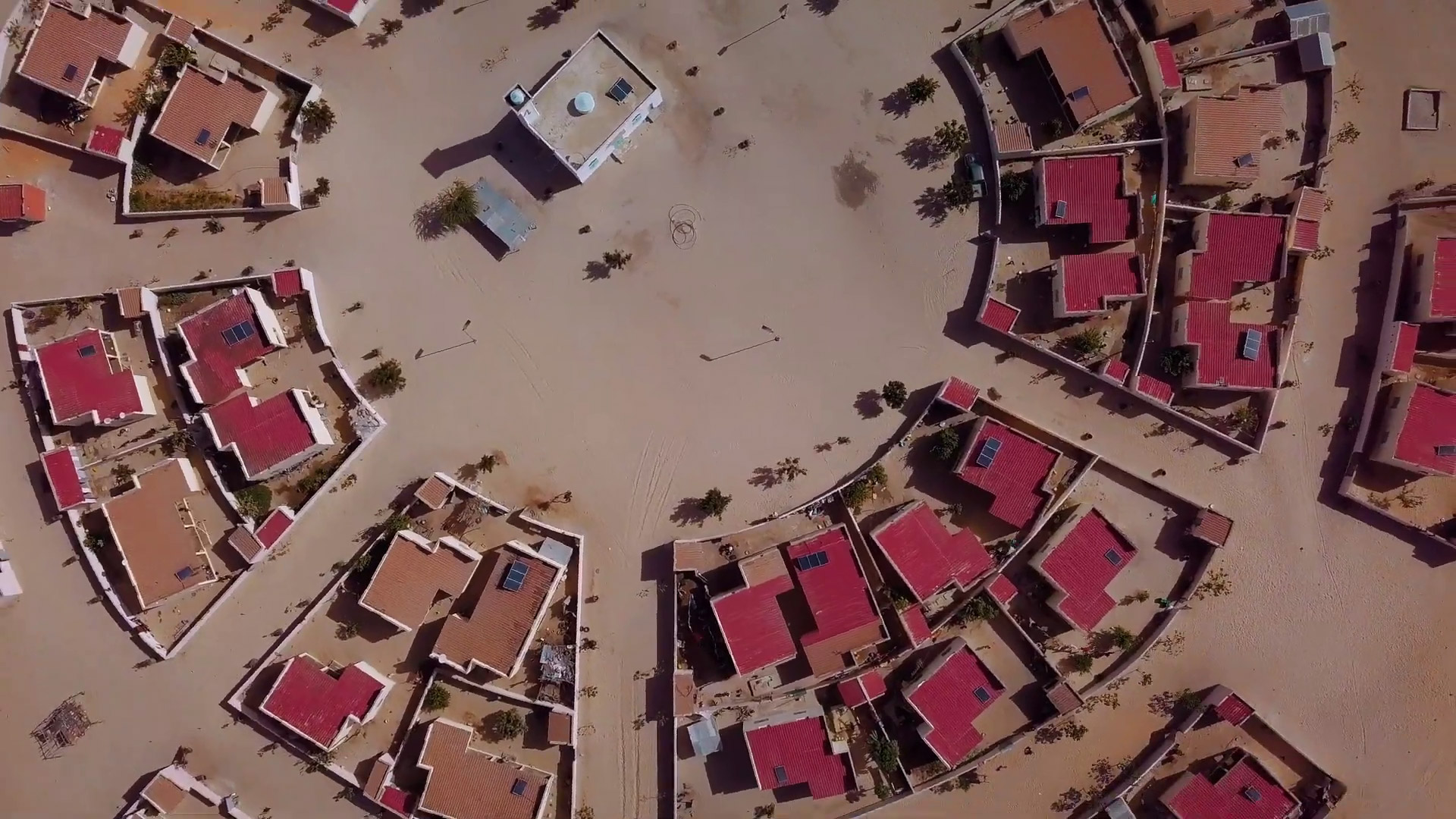
35 households from seven hamlets were resettled in 2016 in an ecovillage equipped with a school, a borehole, a mosque, and an agricultural area, significantly improving their living conditions in partnership with the Senegal National Agency for Ecovillages.
85 homes accommodating more than 600 people were built in the new village of Foth. The residents have developed new activities and received irrigable land, along with boreholes, solar kits, and training to improve yields.
39 houses were delivered in Thiakmat in 2023, with 133 more scheduled for delivery in 2025.
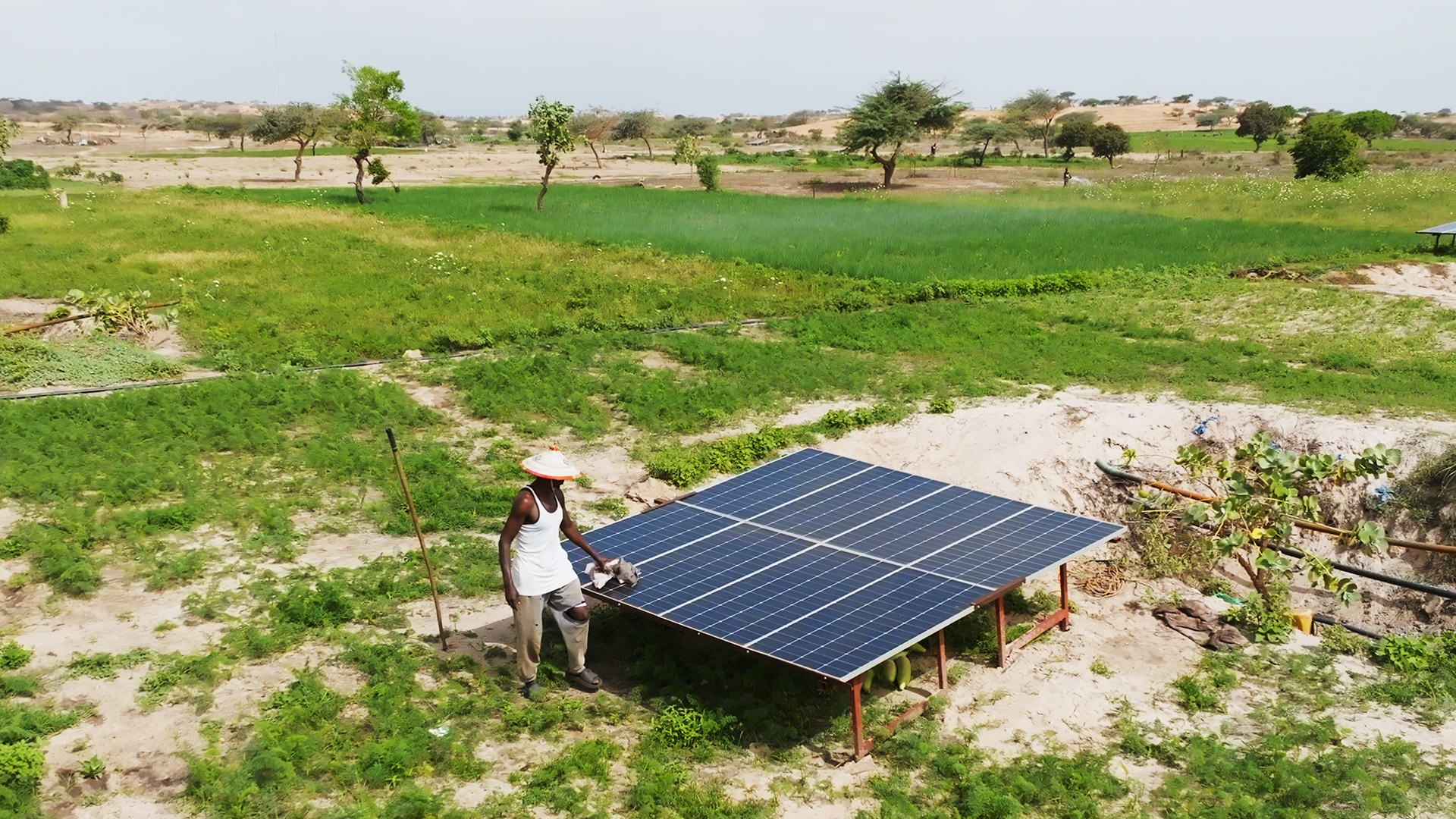
A program to install 600 solar panels to replace motor pumps was launched in 2023 to make market gardening more sustainable in the new villages.
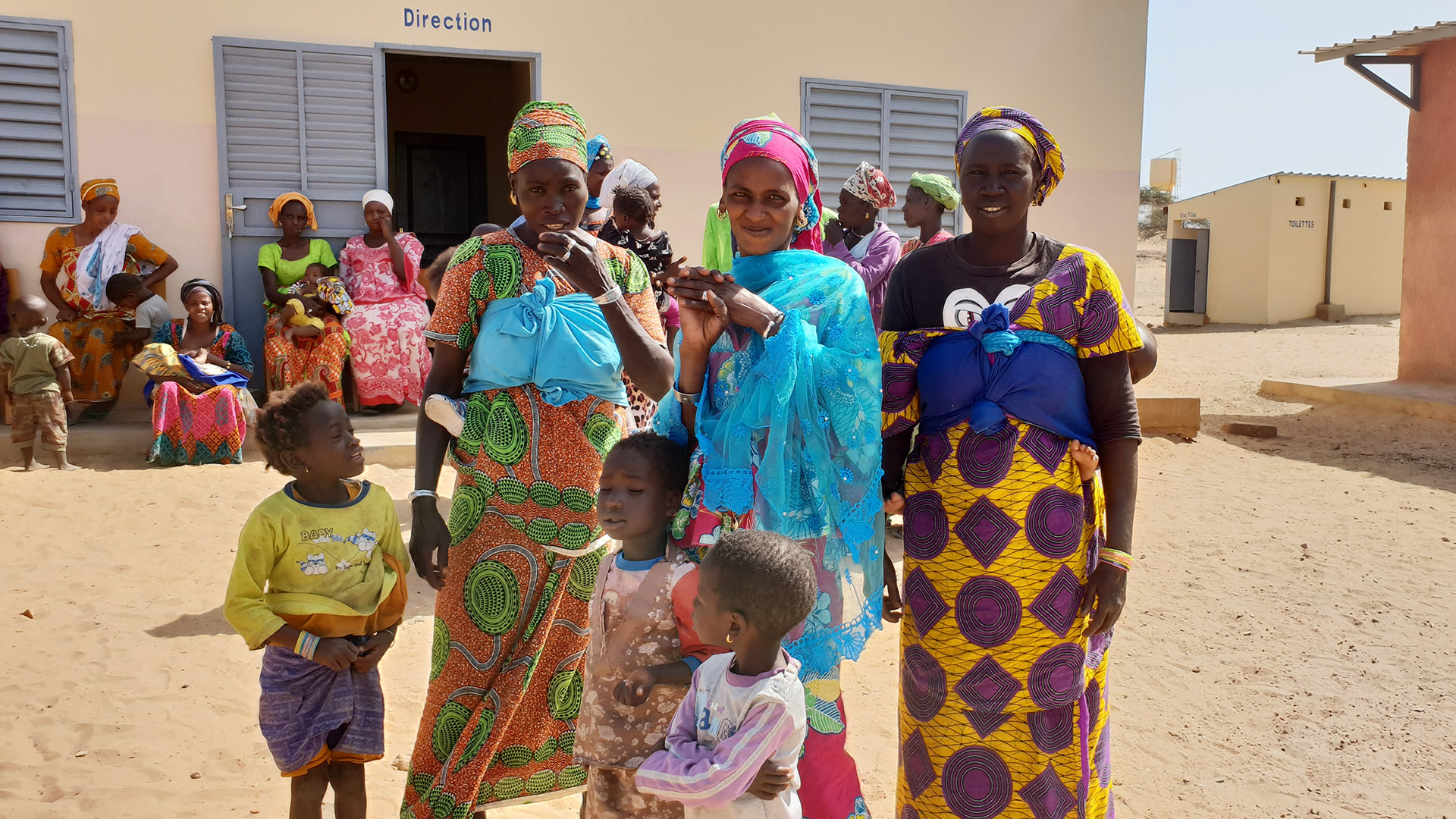
2,850 people supported through the creation of 19 Economic Interest Groups established to encourage sustainable income-generating activities (market gardening, the sale of agricultural products, livestock farming, etc.).